

Small Cooker Hoods
Add a review FollowOverview
-
Founded Date May 16, 1936
-
Sectors Education Training
-
Posted Jobs 0
-
Viewed 18
Company Description
Island Extractor Fan Tools To Streamline Your Everyday Lifethe Only Island Extractor Fan Trick That Everyone Should Be Able To
Understanding Island Extractor Fans: A Comprehensive Guide
When it concerns modern kitchen designs, couple of functions are more striking or functional than an island extractor fan. Also called island range hoods, these home appliances are a crucial component in ensuring proper air blood circulation and ventilation in kitchens that include an island cooktop. In this post, we will explore island extractor fans, their benefits, how to select the ideal one for your kitchen, and address some often asked questions.
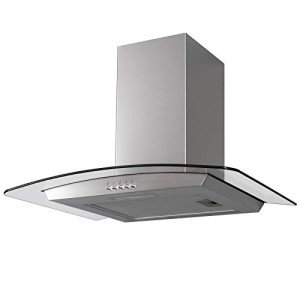
What is an Island Extractor Fan?
An island extractor fan is a type of kitchen appliance installed on the ceiling above an island cooking area. Unlike conventional wall-mounted range hoods, which are installed against a wall, island extractors hang straight above the cooking surface area of a kitchen island. They are designed to eliminate smoke, steam, smells, and air-borne grease through ventilation systems, ensuring a fresher and cleaner kitchen environment.
Benefits of Using an Island Extractor Fan
Island extractor fans use a number of benefits, making them a popular option for numerous kitchen styles. Here is a list of the key advantages:
-
Enhanced Air Quality: By successfully eliminating smoke and smells, these fans assist maintain a pleasant cooking environment.
-
Trendy Design: Island extractors been available in different styles and finishes, adding a modern touch to any kitchen.
-
Enhanced Cooking Experience: These fans offer outstanding suction power, enabling a more pleasurable cooking experience by avoiding excess heat and steam.
-
Flexible Installation: Island extractors can be installed in numerous ceiling heights and setups, increasing the flexibility of kitchen style.
-
Noise Reduction: Many modern designs are designed to operate silently without compromising performance.
-
Energy Efficiency: Many modern island extractors are geared up with energy-efficient motors and LED lighting.
To illustrate the advantages, think about the following table comparing traditional wall-mounted hoods with island extractors.
| Feature | Standard Wall-Mounted Hoods | Island Extractor Fans |
|---|---|---|
| Installing | Installed on walls | Suspended from ceilings |
| Design Variety | Minimal style choices | Wide range of designs |
| Air flow Efficiency | Moderate to high | High air flow effectiveness |
| Setup Flexibility | Fixed to a wall position | Adjustable to ceiling heights |
| Sound Level | Differs significantly | Typically quieter |
| Space Utilization | May obstruct views | Open layout enhances space |
How to Choose the Right Island Extractor Fan
Selecting the ideal island extractor fan for your kitchen involves several factors to consider. Here’s a list of elements to remember when making your choice:
-
Size and Dimensions: The fan must cover the entire cooking surface area. A basic general rule is to pick a fan that is at least the same width as the cooktop for optimal efficiency.
-
Ventilation Type:
- Ducted: Expels air outside, ideal for those looking for supreme performance.
- Ductless: Recycles air back into the kitchen using filters, best for places where ducting is impractical.
-
Suction Power (CFM): Measured in cubic feet per minute (CFM), this suggests how successfully the fan can remove air. Preferably, select a fan with at least 600 CFM for an island cooktop.
-
Noise Level: Look for models with a low sone score (an unit of measurement for viewed volume) for quieter operation, especially throughout high-speed settings.
-
Filter Type and Maintenance:
- Aluminum Filters: Durable and simple to tidy.
- Charcoal Filters: Typically found in ductless designs; these need replacement regularly.
-
Design and Aesthetics: Match the extractor’s design with your kitchen decoration. Consider materials like stainless-steel, glass, or even custom wood finishes.
-
Lighting: Integrated LED lights boost functionality and presence over the cooktop.
Sample Table for Comparing Models
Below is a sample table that might be utilized to compare various island extractor models you might be considering:
| Model | Size (inches) | CFM | Sound Level (sones) | Ventilation Type | Filter Type | Rate (₤) |
|---|---|---|---|---|---|---|
| Model A | 30 | 600 | 3.0 | Ducted | Aluminum | 700 |
| Design B | 36 | 800 | 2.5 | Ducted | Charcoal | 900 |
| Design C | 42 | 1200 | 4.0 | Ductless | Aluminum | 1200 |
| Design D | 30 | 500 | 2.0 | Ducted | Combination | 650 |
Setup Considerations
Setting up an island extractor fan might require expert help. Here are some elements to think about:
- Electrical Wiring: Ensure there appertains electrical circuitry in place to support the fan’s motor.
- Ductwork: If selecting a ducted option, prepare for the routing of ductwork through the ceiling.
- Height Adjustment: The fan needs to be set up at an optimal height, normally 30-36 inches above the cooktop.
Frequently Asked Question About Island Extractor Fans
1. How typically should I clean the filters?
It is suggested to clean up the filters regularly, typically every 1-3 months, depending on use. Charcoal filters ought to be changed according to the maker’s standards.
2. Are island extractor fans noisy?
The noise level varies by design. Look for fans with a lower sone score for quieter operation.
3. Can I install an island extractor fan myself?
While some house owners may choose to do it themselves, employing an expert is often a good idea for appropriate setup, particularly when handling electrical and ducting systems.
4. Do I need a ducted or ductless extractor fan?
Pick a ducted model for remarkable performance if possible. A ductless unit may be perfect for apartments or spaces where ducting isn’t possible.
5. How do I compute the right CFM for my kitchen?
A basic standard is to permit 100 CFM for every linear foot of the cooking surface. For example, for a 3-foot cooktop, look for a fan with at least 300 CFM.
Island extractor fans are not just a functional kitchen necessity however likewise an elegant addition to modern kitchen designs. By making sure the right model and proper setup, house owners can substantially improve their cooking experience while enhancing the aesthetics of their cooking areas. With the factors to consider outlined in this post, picking the ideal island extractor fan can be an easy and rewarding endeavor.