

Order Counterfeit Money
Add a review FollowOverview
-
Founded Date July 30, 1966
-
Sectors Restaurant / Food Services
-
Posted Jobs 0
-
Viewed 33
Company Description
The 9 Things Your Parents Teach You About Buy Fake Inr
The Dark World of Fake INR: Understanding the Risks and Realities
The Indian Rupee (INR) plays a critical function in the monetary landscape of India and beyond. As a currency, it represents the economic strength of a country, and it is widely used for trade and financial investment. Nevertheless, in addition to its value, the INR has likewise faced threats from counterfeit operations. This article will dig into the dark world of fake INR, analyzing the production, distribution, dangers, and preventive measures, all while preserving an informative tone to inform readers about this vital problem.
Understanding Counterfeit Currency
Counterfeit currency describes imitation currency produced without the legal sanction of the state or government. The purpose of developing Buy Fake Inr currency is to deceive and defraud individuals and companies. Regardless of the robust security features incorporated in contemporary currency notes, counterfeiters continually find methods to develop high-quality reproductions.
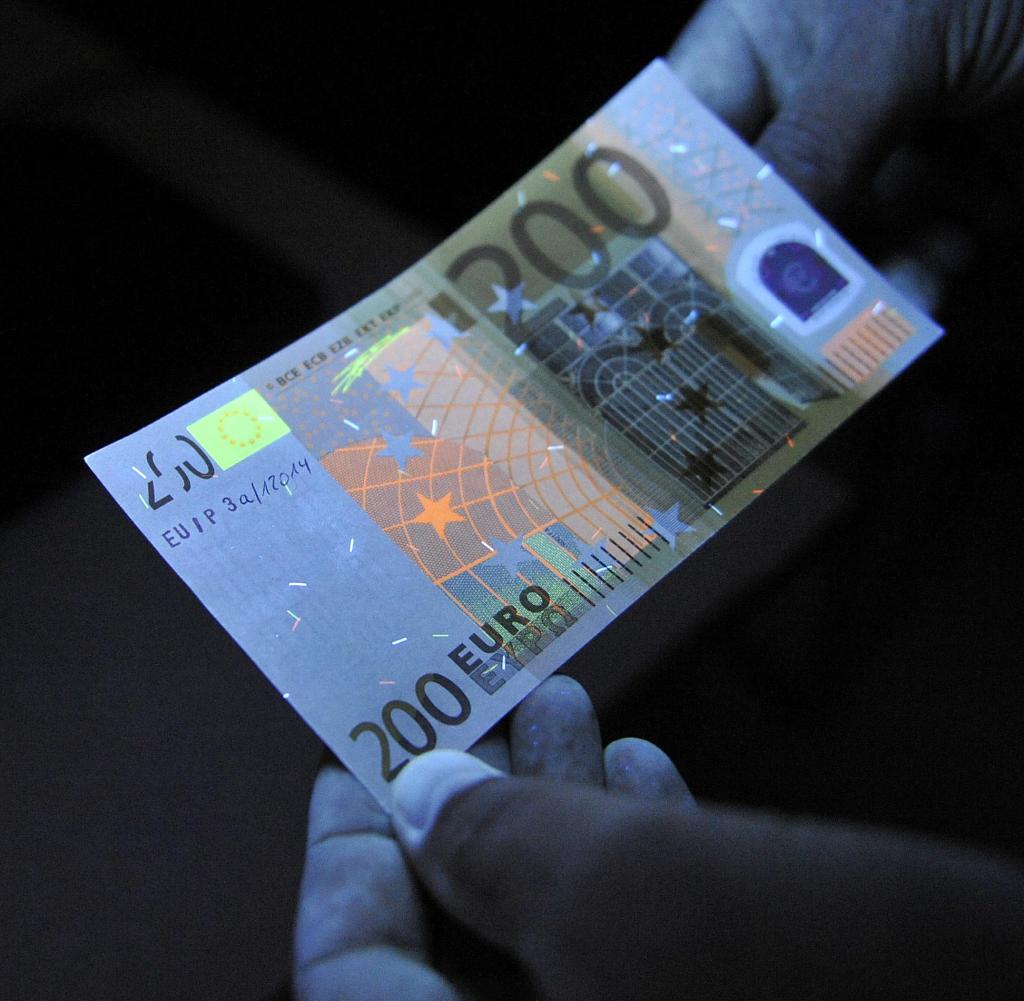
Table 1: Key Features of Genuine INR
| Function | Description |
|---|---|
| Watermark | Picture of Mahatma Gandhi |
| Security Thread | Embedded thread that changes color |
| Microprinting | Tiny text that is tough to duplicate |
| Color-shifting Ink | Ink that appears to change color at angles |
| Raised Printing | Texture that can be felt by touch |
The Scale of the Problem
The scale of counterfeiting of Indian currency is alarming. The Reserve Bank of India (RBI) and police constantly battle versus these unlawful operations. Numerous aspects contribute to the proliferation of fake INR, including:
-
Technological Advancements: With the accessibility of high-quality printers, advanced printing techniques have actually made it simpler for fakes to simulate real notes.
-
Low Risk of Detection: Many counterfeiters operate under the radar, targeting less vigilant individuals and companies, especially in cash-centric economies.
-
Increased Demand for Cash: With a significant portion of the Indian economy still operating in cash, the need for currency notes is high, developing chances for counterfeit circulation.
Table 2: Common Denominations of Fake INR Notes
| Denomination | Frequency of Counterfeiting | Tips to Identify Fake Notes |
|---|---|---|
| 500 | High | Examine watermark and security features |
| 1,000 | High | Try to find microprinting and ink variations |
| 100 | Moderate | Verify the security thread visibility |
| 10 | Low | Feel the raised printing for credibility |
Recognition Methods
Identifying counterfeit currency is vital for people and organizations alike. Below are some reliable techniques to recognize fake INR:
1. Visual Inspection
- Watermark: Hold the note against the light to see the watermark.
- Security Features: Check for the security thread, microprinting, and color-shifting ink.
2. Touch and Feel
- Real notes are printed on a particular texture that can quickly be felt. Counterfeit notes typically lack this texture.
3. Ultraviolet (UV) Light Test
- Under UV light, real notes have specific features that don’t appear on counterfeit ones (e.g., fluorescent fibers).
4. Bleed Test
- Place the note on a white sheet of paper. Genuine notes do not bleed color, while phonies might smear.
Legal Framework and Consequences
The Indian Penal Code (IPC) provides strict charges for the production, distribution, and ownership of counterfeit currency. According to Section 489B, anybody discovered guilty of using or making it possible for counterfeit notes can face severe legal effects, consisting of jail time. The government continually updates laws and innovations to combat this criminal offense efficiently.
Table 3: Legal Consequences of Counterfeiting
| Offense | Possible Punishment |
|---|---|
| Production of counterfeit | 7-10 years in jail |
| Distribution | 3-7 years in prison |
| Belongings of fakes | Approximately 3 years in prison |
Causing Economic Disruption
The expansion of fake INR has far-reaching effects on the economy. Counterfeit currency leads to:
-
Decreased Trust: It erodes rely on the currency, causing an unstable financial environment.
-
Inflation: The circulation of fake currency can pump up the money supply, eventually leading to price increases.
-
Economic Loss: Businesses sustain losses from accepting fake notes, which eventually affects consumer rates and task security.
Preventive Measures Against Counterfeiting
While people can not completely avoid the counterfeiting of currency, they can take proactive actions to reduce the threats. Here are some preventive steps:

1. Awareness and Education
- Stay notified about the most recent security functions and counterfeiting methods.
2. Use Technology
- Consider utilizing currency authentication tools that can verify the authenticity of notes rapidly.
3. Report Suspicious Activity
- Motivate people and companies to report any suspected counterfeit notes to the authorities.
Frequently asked questions
Q1: Can I recognize counterfeit INR by utilizing a smartphone app?A1: While some apps can assist in identifying counterfeits, they should not be solely trusted. Always inspect physical functions. Q2: Are there specific places where counterfeit notes are more commonly circulated?A2: Counterfeit notes are typically circulated in congested markets and locations where
cash transactions are prevalent. Constantly remain vigilant in such locations. Q3: What must I do if I get a thought counterfeit note?A3: Do not attempt to use it.
Report it to regional authorities or a nearby bank for further examination. Q4
: How does counterfeiting impact the economy?A4: Counterfeiting leads to economic instability, inflation, and a loss of rely onthe currency, all of which can significantly affect financial growth
. Q5: Are governments taking steps to prevent counterfeiting?A5: Yes, federal governments continually update security functions in currency notes and execute stringent laws to combat counterfeiting. In summary, while the Indian Rupee stays a cornerstone of India’s economy, the danger of counterfeit currency poses substantial dangers to people and the more comprehensive monetary system. By understanding the identification strategies, legal ramifications, and preventive measures, everyone can play a part in combating this prohibited activity. It is essential to remain educated and alert, guaranteeing the stability of one of India’s a lot of vital financial possessions: its currency.