

Exercise Cycle For Sale
Add a review FollowOverview
-
Founded Date September 20, 1982
-
Sectors Construction / Facilities
-
Posted Jobs 0
-
Viewed 41
Company Description
Where Is Stationary Bike One Year From Today?
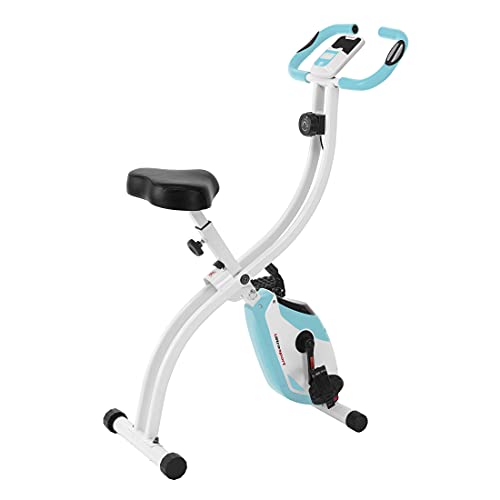
The Comprehensive Guide to Exercise Bikes: Benefits, Types, and FAQs
Exercise bikes have become a staple in both industrial health clubs and home Exercise Equipment fitness environments, using people an effective method to participate in cardiovascular activity. With an increasing concentrate on fitness and health, exercise bikes can accommodate a range of individual objectives, from weight-loss to endurance training.
Advantages of Using an Exercise Bike
Utilizing an exercise bike offers numerous benefits, appealing to a large variety of users, from experienced athletes to novices aiming to get fit.
1. Cardiovascular Health
Regular cardiovascular exercise is necessary for keeping heart health. Riding a stationary bicycle enhances the heart, increases lung capacity, and improves general flow.
2. Low Impact
Compared to other forms of cardio, such as running, cycling is lower impact and puts less stress on the joints. This makes it an exceptional option for people with joint issues, injuries, or those recuperating from surgical treatment.
3. Convenience
Exercise bikes allow users to work out from the comfort of their homes, saving time and travel costs related to going to the gym. With various models, they can also easily be stored away when not in use.
4. Personalized Intensity
The majority of exercise bikes include adjustable resistance settings, permitting users to tailor their workouts according to their fitness levels. This flexibility likewise assists in challenging users as they progress.
5. Versatile Workouts
Stationary bicycle cater to numerous exercise styles, consisting of steady-state trips, high-intensity interval training (HIIT), or even virtual cycling classes, using variety to avoid uniformity.
6. Keeping an eye on Progress
Lots of contemporary exercise bikes are geared up with digital screens that track metrics such as heart rate, distance, speed, and calories burned, assisting users set goals and monitor their development better.
Types of Exercise Bikes
When choosing a stationary bicycle, it’s essential to think about the numerous types readily available, as each deals special features and advantages.
| Kind Of Exercise Bike | Description | Perfect For |
|---|---|---|
| Upright Bikes | Standard bike designs with seat positioned like a roadway bike. | General fitness, biking training, and calorie burning. |
| Recumbent Bikes | Seats are wider and sit lower to the ground for back assistance. | Users with back concerns, minimal mobility, or those looking for convenience. |
| Spin Bikes | Stronger frames with minimal features, suitable for high-intensity exercises. | Cyclists looking for a gym-like experience in your home or high-intensity bicyclists. |
| Dual Action Bikes | To reproduce upper body and lower body exercises. | Those aiming to maximize calorie burning and engage numerous muscle groups. |
| Air Bikes | Make use of a fan to develop resistance; the harder you pedal, the more resistance you face. | Advanced users looking for intense, full-body exercises. |
Picking the Right Exercise Bike
Selecting the very best stationary bicycle needs cautious factor to consider of a number of factors:
1. Spending plan
- Determine your budget plan variety. Exercise bikes been available in varying price varieties; knowing your limit can help narrow down alternatives.2. Space
- Measure the area where you prepare to put the bike. Think about foldable options if area is an issue.3. Functions
- Look for features that fulfill your requirements, such as Bluetooth connection, adjustable pedals, integrated workouts, and ergonomic seat options.4. Comfort
- Test the bike before purchasing if possible, paying attention to seat convenience, handlebar positioning, and adjustability to find the best fit.5. Reviews and Recommendations
- Research online evaluations and look for suggestions from friends or professionals. User experiences can provide important insights into the efficiency and durability of the bike.Maintaining Your Exercise Bike
To make sure longevity and optimum performance, routine upkeep of the stationary bicycle is important:
-
Check Bolts and Levels:Regularly examine if all screws, bolts, and leveling feet are securely protected.
-
Tidy Regularly:Wipe down any sweat or gunk on the bike post-workout to prevent corrosion.
-
Lube Moving Parts:Depending on the model, develop a regular lubrication schedule to avoid wear and tear.
-
Display Cables:For bikes with resistance cables, guarantee they are intact and operating.
Frequently asked questions
Q: How long should I ride an exercise bike for optimum advantage?
A: Aim for a minimum of 150 minutes of moderate-intensity aerobic activity per week, burglarized sessions of about 30 minutes.
Q: Can I slim down with a stationary bicycle?
A: Yes, when integrated with a healthy diet, utilizing a stationary bicycle can help in weight-loss by burning calories.
Q: What’s the difference in between a recumbent and upright bike?
A: Recumbent bikes provide back assistance and a more reclined position, reducing strain on the back and joints, while upright bikes mimic conventional cycling positions.
Q: Are exercise bikes appropriate for elders?
A: Yes, especially recumbent bikes, as they supply a comfy, low-impact exercise for senior citizens.
Q: What should I wear while exercising on a bike?
A: It is recommended to use comfy workout clothes and helpful athletic shoes for optimal efficiency.
Exercise bikes remain a popular choice amongst fitness enthusiasts for their numerous health advantages, variety in workout designs, and adaptability to numerous fitness levels. Comprehending the various types available and how to select the finest fit will empower people to attain their fitness objectives efficiently. Whether for weight loss, cardiovascular health, or just taking pleasure in a quality workout, an exercise bike can be an important addition to anybody’s fitness routine.