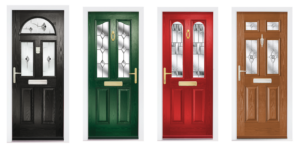
Composite Door Repair Experts
Add a review FollowOverview
-
Founded Date September 10, 1996
-
Sectors Restaurant / Food Services
-
Posted Jobs 0
-
Viewed 33
Company Description
The Biggest Problem With Door Maintenance And How You Can Fix It

Comprehensive Guide to Composite Door Maintenance
Composite doors have actually acquired significant popularity among homeowners in the last few years due to their robust building and construction, visual appeal, and outstanding insulation residential or commercial properties. Combining numerous materials such as uPVC, wood, and a thermoplastic skin, these doors offer a mix of benefits that go beyond conventional wood or metal doors. However, like any other home feature, composite doors require proper maintenance to make sure longevity and optimum performance. This article will explore vital maintenance tips, common concerns, and often asked concerns regarding composite door care.
Significance of Composite Door Maintenance
Keeping a composite door is vital for numerous factors:
- Longevity: Regular maintenance can extend the life-span of the door, ensuring it lasts lots of years without replacement.
- Visual Appeal: A well-maintained door boosts the home’s curb appeal and shows the property owner’s attention to information.
- Security: Proper maintenance helps maintain the stability of the door’s locks and hinges, providing assurance against potential break-ins.
- Energy Efficiency: A well-sealed door helps avoid drafts, adding to lower energy costs by preserving preferred indoor temperature levels.
Necessary Maintenance Tips for Composite Doors
1. Regular Cleaning
Cleaning up is the structure of composite door maintenance. Here’s how to do it successfully:
- Frequency: At least twice a year, or more regularly if the door is exposed to severe climate condition.
- Products Needed:
- Mild soap or cleaning agent
- Warm water
- Soft cloth or sponge
- Non-abrasive cleaner (for difficult discolorations)
Steps for Cleaning:
- Mix the soap or detergent with warm water in a bucket.
- Use a soft cloth or sponge to clean down the door, making sure to clean both the surface and nooks.
- Wash the door completely with tidy water to remove any soap residue.
- Dry the door with a clean, dry cloth to avoid water areas.
2. Check and Maintain Seals
The seals around the door are critical for insulation and avoiding drafts. To keep them:
- Inspect: Check seals for any cracks or damage.
- Lubricate: Use silicone spray or a comparable lubricant on rubber seals to maintain flexibility.
- Change: If seals are damaged beyond repair, replace them to ensure energy performance.
3. Check Hardware
The hardware of the best door repair company, such as locks, hinges, and manages, needs periodic checks:
- Tighten: Ensure screws and bolts are tight to avoid loosening with time.
- Lubricate: Apply a light oil or lubricant on locks and hinges to guarantee smooth operation.
- Test Lock Functionality: Regularly check the locks to make certain they engage and disengage smoothly.
4. Paint and Finish Care
While composite doors are developed to stand up to the aspects, they still gain from a fresh coat of paint or finish:
- Choose the Right Paint: If the door needs painting, choose premium outside paint suitable for composite materials.
- Touch-ups: Periodically inspect for scratches and chips, performing touch-ups as needed to safeguard the door’s surface area.
5. Seasonal Checks
Seasonal examinations enable homeowners to deal with concerns before they escalate:
- Winter: Check for any snow or ice build-up around the door that could damage seals.
- Summer: Inspect for sun damage and guarantee the door isn’t contorting due to heat.
- Rainy Season: Look for indications of wetness intrusion or rot.
Typical Issues with Composite Doors
Regardless of their strength, composite doors can deal with several common problems:
- Fading: Over time, exposure to sunlight can trigger the color of the door to fade, requiring a fresh coat of paint or a replacement.
- Misalignment: Doors may become misaligned due to settling or seasonal modifications; modifications may be required to guarantee correct sealing.
- Condensation: Moisture in between the panels can take place in humid conditions, showing a prospective seal failure.
Frequently Asked Questions about Composite Door Maintenance
Q1: How typically should composite doors be painted?
A: Ideally, composite doors ought to be repainted every 5-10 years, depending on exposure to sunlight and weather. Regular touch-ups of any scratches or chips can prolong the need for a total repaint.
Q2: Can I utilize abrasive cleaners on my composite door?
A: No, abrasive cleaners can scratch and damage the surface area of a composite door. It is a good idea to use moderate, non-abrasive cleaners to avoid messing up the finish.
Q3: What should I do if my composite door is sticking?
A: If your composite door sticks, look for misalignment or particles in the hinges. Tightening up screws, oiling hinges, or using a level to evaluate positioning may help. If the problem persists, think about speaking with a professional.
Q4: How can I avoid my composite door from fading?
A: To prevent fading, routinely tidy the door and think about using UV-resistant spray or paint. Furthermore, placing a protective awning or providing shade can minimize direct sunlight exposure.
Q5: Are composite doors energy effective?
A: Yes, composite doors are extremely energy-efficient due to their multi-layer construction, which supplies outstanding insulation compared to standard wooden or metal doors.
A composite door is an investment that can raise a home’s security, energy efficiency, and aesthetic appeal. To maximize this financial investment, regular maintenance is vital. Property owners should adopt a proactive technique to the upkeep of their doors, guaranteeing they stay functional and visually appealing for several years to come. Following the ideas detailed in this guide can assist preserve the integrity and appeal of composite doors, eventually improving the value and comfort of the home.