

Folding Wheelchair Ramps
Add a review FollowOverview
-
Founded Date June 12, 1948
-
Sectors Telecommunications
-
Posted Jobs 0
-
Viewed 20
Company Description
See What Metal Ramps For Wheelchairs Tricks The Celebs Are Using
Metal Ramps for Wheelchairs: A Comprehensive Guide
Navigating physical barriers can be an obstacle for individuals with mobility disabilities. One service that has actually gained appeal is using metal ramps for wheelchairs. These ramps supply increased access to homes, work environments, and public spaces, enhancing independence and mobility for wheelchair users. This article aims to inform readers about the functions, benefits, and considerations surrounding metal ramps, complete with a FAQ area and beneficial tables for simple comparison.
Comprehending Metal Ramps
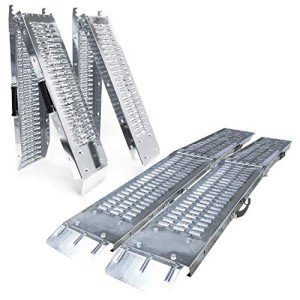
Metal ramps for wheelchairs are normally built from products such as aluminum or steel, making them a resilient and sturdy alternative for people requiring mobility support. Unlike wood or plastic ramps, metal ramps can stand up to varying climate condition, resistance to deterioration, and have a longer lifespan.
Key Features of Metal Ramps
- Material: Most metal ramps are made from lightweight yet resilient aluminum or much heavier steel. Aluminum is often preferred for its resistance to rust and ease of portability.
- Style: Many metal ramps been available in a folding design, making them simple to transportation and shop.
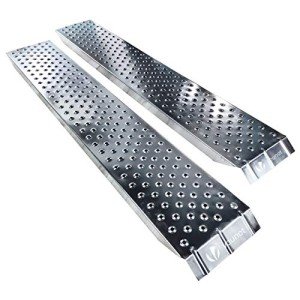
- Non-Slip Surface: This feature assists ensure that both the wheelchair and the private remain secure while utilizing the ramp.
- Weight Capacity: Metal ramps are developed to support a large range of weight limitations, dealing with numerous wheelchair sizes and users.
- Adjustability: Some ramps provide adjustable heights and angles, accommodating various entry points.
Types of Metal Ramps
| Type | Description | Pros | Cons |
|---|---|---|---|
| Irreversible Ramps | Set up at a repaired area for long-term usage. | Sturdy, custom-fitted for specific needs. | More costly, needs setup. |
| Portable Ramps | Lightweight and easy to transportation; suitable for numerous locations. | Versatile, easy to shop. | May not be as durable as irreversible ramps. |
| Folding Ramps | Can be folded in half or thirds for storage and transport. | Space-saving, simple to use. | Restricted weight capability compared to non-foldable. |
| Multifunction Ramps | Created for both wheelchair and scooter users, these ramps accommodate different mobility devices. | Adaptability for different users. | May require additional requirements for optimum usage. |
Advantages of Using Metal Ramps
- Enhanced Mobility: They provide wheelchair users with greater access to different areas, enabling more independence.
- Security: Metal ramps frequently include non-slip surfaces, decreasing the risk of accidents during usage.
- Cost-efficient: While the initial financial investment might be greater than plastic or wood, metal ramps tend to last longer, making them a cost-efficient choice in the long run.
- Versatility: Many metal ramps can be used for both residential and commercial settings, accommodating a large range of environments.
- Weather condition Resistance: Metal ramps, especially aluminum ones, are resistant to rust and can endure numerous weather condition conditions without compromising security.
Considerations Before Purchase
When thinking about the setup or purchase of a metal ramp, several factors ought to be examined:
| Consideration | Description |
|---|---|
| Place | Assess where the ramp will be set up and ensure it fits the space available. |
| Slope | Ramps need to typically have a slope ratio of 1:12 for standard wheelchair access. Speak with regional codes for particular standards. |
| Weight Limit | Guarantee the ramp can support both the user and their mobility device. |
| Installation Needs | Figure out if the ramp will be set up completely or utilized for mobility. |
| Budget | Account for the overall expense, including setup and upkeep, if appropriate. |
Regularly Asked Questions (FAQ)
1. What is the ideal slope for a wheelchair ramp?
The Americans with Disabilities Act (ADA) suggests a slope of 1:12, which indicates for every inch of height, there should be at least 12 inches of ramp run.
2. How do I choose the right ramp for my requirements?
Consider your specific requirements, including weight capability, mobility, the frequency of use, and the environment where the ramp will be installed or used.
3. Are metal ramps adjustable?
Yes, many metal ramps offer functions such as adjustable heights and angles to accommodate various entry points and conditions.
4. How do I preserve a metal ramp?
Routine evaluations for rust or wear and tear, together with cleaning up to guarantee the non-slip surface area remains reliable, will assist keep the ramp’s condition and safety.
5. Can metal ramps be used outdoors?
Absolutely! Metal ramps are particularly developed to stand up to outside conditions. Aluminum ramps are particularly resistant to rust, making them appropriate for prolonged outside use.
6. What is the average expense of a metal ramp?
Expenses can vary extensively based on size, product, weight limit, and design. On average, portable metal ramps can range from ₤ 100 to ₤ 500, while irreversible ramps might cost ₤ 1,000 or more depending on setup requirements.
Metal ramps for wheelchairs are not just practical; they embody the spirit of availability and self-reliance for people with mobility obstacles. By thinking about the different types, features, and benefits of these ramps, in addition to evaluating individual needs and available environments, individuals and caretakers can make educated decisions. With the right metal ramp in location, barriers become more manageable, permitting for increased mobility and flexibility.
For anybody in the market for ease of access solutions, purchasing a quality metal ramp is an action towards a more inclusive environment. Whether for home use or public areas, the advantages of metal ramps considerably outweigh the obstacles, leading the way for easier and safer navigation.