

Wooden Pallets For Sale
Add a review FollowOverview
-
Founded Date July 19, 1905
-
Sectors Automotive Jobs
-
Posted Jobs 0
-
Viewed 20
Company Description
See What Wooden Pallets Buy Tricks The Celebs Are Making Use Of
The Ultimate Guide to Buying Wooden Pallets: A Comprehensive Resource
Wooden pallets are common in the shipping and logistics industries, acting as crucial tools for the storage and transport of items. Their versatility, cost, and sturdiness make them a popular option for services of all sizes. This article will explore the essential aspects to think about when purchasing wooden pallets, covering whatever from types and requirements to FAQs and a handy contrast table.
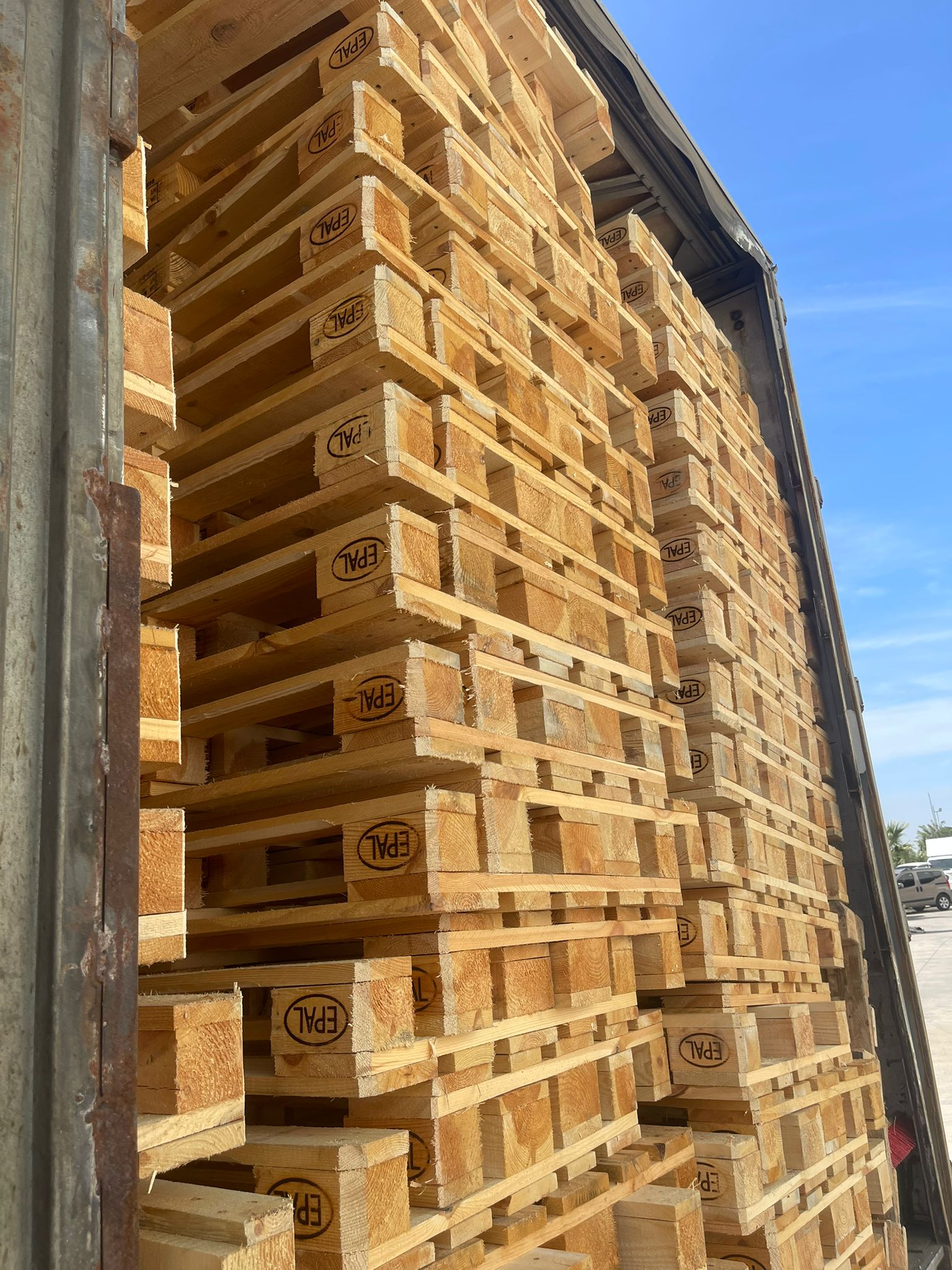
Comprehending Types of Wooden Pallets
Before diving into the getting process, it’s essential to understand the different types of wooden pallets available on the marketplace. Here are the primary types you may encounter:
| Type of Pallet | Description | Common Uses |
|---|---|---|
| Stringer Pallets | Made with stringers (support beams) running in between the deck boards. Can be two-way or four-way access. | Shipping, warehousing, and unit loads. |
| Block Pallets | Made with blocks that are all the method through, using stability and strength in multi-way access. | Aerospace, food, and heavy item shipping. |
| Double-Face Pallets | Developed with deck boards on both sides for balance and the capability to turn them over. | Industries requiring regular loading/unloading. |
| Single-Face Pallets | Only one deck board, lighter and generally used for screen and production applications. | Retail screens, producing processes. |
Aspects to Consider When Buying Wooden Pallets
When purchasing wooden pallets, a number of elements need to affect your choice, guaranteeing you choose the best type for your requirements.
1. Weight Capacity
Different pallets have differing weight capacities, typically ranging from 1,000 to 10,000 pounds. Understanding the weight of your items is vital in preventing prospective damage and ensuring safety.
2. Size
Standard sizes are more easily available, making them less expensive. Typical sizes include:
| Size (in inches) | Typical Capacity (lbs) |
|---|---|
| 48 x 40 | 2,500 – 3,000 |
| 42 x 42 | 2,200 – 2,800 |
| 48 x 48 | 3,000 – 4,000 |
3. Wood Type
The wood used to produce pallets affects resilience and cost. Common products consist of:
- Pine: Lightweight and cost-efficient, ideal for lighter loads.
- Oak: Stronger and more resilient, ideal for heavy loads but more costly.
- Plywood: Often used in more specialized applications or when moisture resistance is needed.
4. Heat Treatment
If pallets are meant for worldwide shipping, it’s crucial to select heat-treated pallets. This treatment eliminates pests and abide by ISPM 15 policies to avoid the spread of plant insects.
5. Condition
Buying new vs. used pallets will considerably impact cost. New pallets deal reliability and in outstanding condition, while used pallets can conserve money however may vary in durability.
6. Cost Comparison
Prices will vary based upon the pallet size, type, and condition. Here’s a rough price quote of expenses:
| Pallet Type | Price Range (Each) |
|---|---|
| New Stringer Pallet | ₤ 10 – ₤ 20 |
| New Block Pallet | ₤ 15 – ₤ 30 |
| Used Stringer Pallet | ₤ 5 – ₤ 10 |
| Used Block Pallet | ₤ 10 – ₤ 15 |
Where to Buy Wooden Pallets
When it concerns buying wooden pallets, various sources are available:
-
Local Pallet Suppliers: These organizations offer a wide range of new and used pallets. The advantage is the opportunity to inspect pallets.
-
Online Marketplaces: Websites like eBay, Craigslist, or specialized pallet-selling sites frequently feature competitive pricing and varied inventory.
-
Makers: Buying straight from producers permits modification but may require a larger dedication in regards to quantity.
-
Recycling Centers: Many centers sell reclaimed pallets at lower prices, albeit with varying quality.
Preserving Your Wooden Pallets
Appropriate maintenance extends the life of pallets and guarantees they remain safe for use. Here are a couple of tips:
- Inspect Regularly: Check for fractures, splinters, or rot occasionally to prevent safety risks.
- Store Properly: Keep pallets in a dry place, raising them off the ground.
- Limitation Exposure to Chemicals: Clean pallets with safe substances to avoid destruction.
Frequently asked questions
1. Are Wooden Pallets Buy pallets safe for food storage?
Yes, however it’s important to ensure they adhere to hygiene guidelines. Heat-treated or kiln-dried pallets are more secure options for food contact.
2. What does ISPM 15 represent?
ISPM 15 describes the International Standards for Phytosanitary Measures No. 15, which manages the treatment of wood product packaging materials to prevent pest problem.
3. The number of times can a wooden pallet be reused?
This differs by pallet type and condition, but usually, a quality wooden pallet can be recycled as much as 5-10 times before requiring replacement.
4. What is the best method to get rid of damaged pallets?
Lots of recycling centers accept harmed pallets. Alternatively, they can be repurposed for DIY jobs or used as mulch in landscaping.
5. What is the average life-span of a wooden pallet?
A well-kept wooden pallet can last from 5 to 10 years, depending upon use and care.
Purchasing wooden pallets includes more than simply picking the most inexpensive alternative; understanding the factors that affect their performance and suitability for your specific requirements is important. With the information offered in this guide, individuals and organizations ought to feel positive in making informed decisions about buying wooden pallets that align with their logistical requirements. Constantly keep in mind to consider the quality, type, and condition of the pallets to make sure a trustworthy roi.